
5 Ways to Detect Danger at a Gay Bar or Club
LGBTQ+ nightlife safety guide: 5 ways to spot danger early at a gay bar or club, defuse tension, leave safely, and use the Follow Me tool to confirm your friends get home.
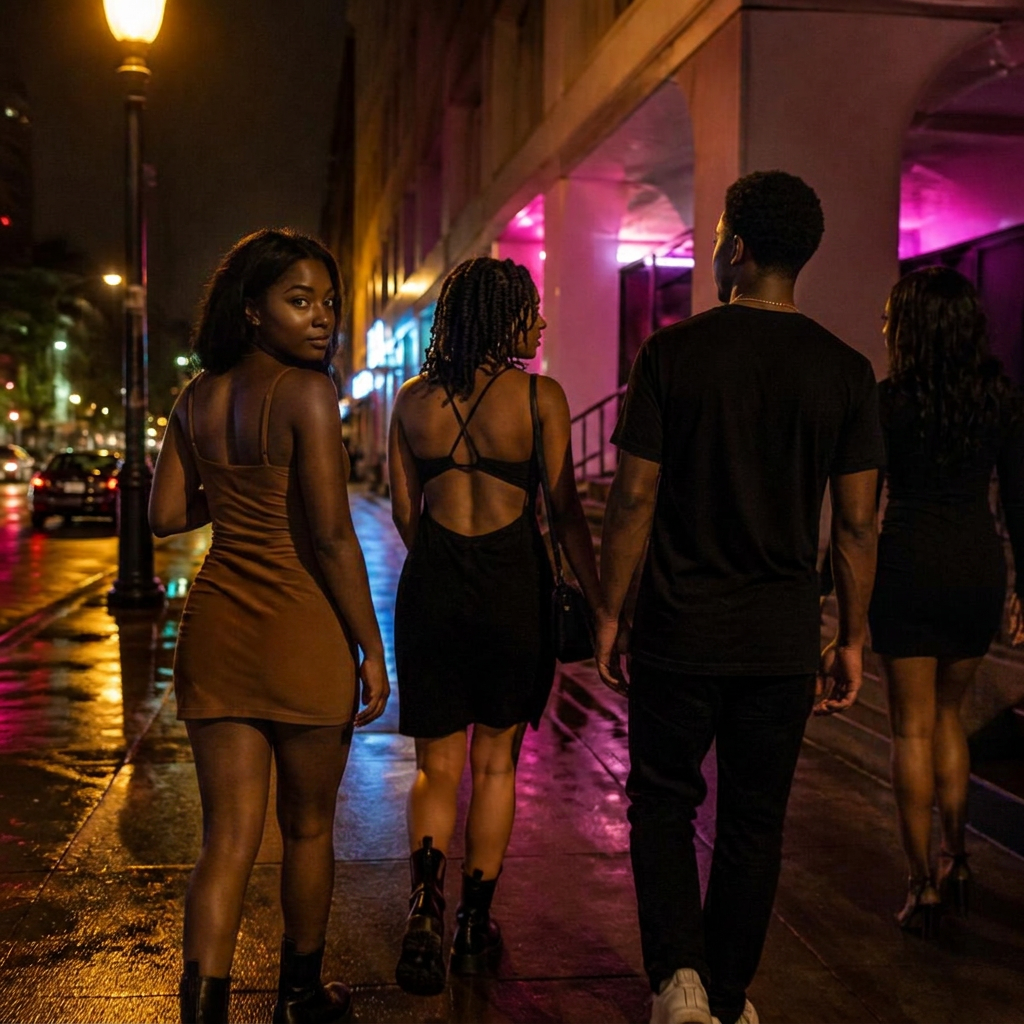
The recent targeted attack outside Venture-N in Tucson, Arizona — where two of our community members, Vincent Anthony Siqueiros and Cameron Davis Capara, were senselessly shot and killed in the parking lot — is a heartbreaking reminder of the realities we face. For generations, LGBTQ+ bars have served as our sanctuaries, living rooms, and safe harbors. When violence reaches our doorsteps, it rattles the entire community.
While the burden of preventing hate should never fall on the victims, situational awareness is an essential tool of self-defense and community care. Going out should be about joy, connection, and celebration — and keeping yourself and your friends safe ensures everyone gets home at the end of the night.
Here are five practical ways to spot potential danger early, defuse tension, and navigate nightlife spaces with intention.
1. Maintain continuous situational awareness
No matter how much you drink or how good the music is, never let your peripheral awareness drop to zero. Keep an eye on sudden shifts in room energy — voices escalating, crowds abruptly parting, or posturing near exits. If you detect an argument, a physical scuffle, or unusual agitation brewing anywhere in your vicinity, do not wait around to see what happens. Immediately put distance between yourself and the disturbance, alerting staff or security on your way out.
2. Check your ego at the door
Nightlife is supposed to be a release, not an arena. When alcohol is involved, minor misunderstandings — a spilled drink, an accidental bump on a crowded dance floor, or a misunderstood glance — can quickly escalate. Practice the discipline of letting it go. Smile, apologize even if you weren’t in the wrong, and walk away. Winning a petty verbal argument inside the venue is never worth confronting an aggravated individual waiting outside in a dimly lit parking lot.
3. Identify your exits and transitional zones early
The most vulnerable parts of any nightlife venue are rarely the center of the dance floor; they are the transitional zones — alleyways, smoking patios, vestibules, and parking lots where lighting drops and security presence thins out. When you enter a venue, take five seconds to identify at least two physical exits besides the front door. When closing out your tab, scan the threshold and parking areas before walking outside, and never linger in unlit perimeter spaces.
4. Move as an inseparable pack
Solo departures late at night significantly elevate risk. Establish an unspoken agreement with your circle: nobody leaves alone, and nobody wanders off with strangers without checking in first. If a friend appears overly intoxicated, visibly disoriented, or is being cornered by someone exhibiting predatory behavior, step in immediately to redirect them. Safety is collective; watching each other’s backs ensures no one is left vulnerable when the lights come on.
5. Trust your gut before your brain rationalizes
Intuition is your nervous system processing subtle environmental warning signs before your conscious mind catches up. If a particular table feels hostile, if an unfamiliar person lingering near the exit makes the hair on the back of your neck stand up, or if the overall room vibe suddenly feels volatile, do not dismiss it. You never need a logical justification to close your tab and relocate. Trust that internal alarm every single time.
How The Queer Route’s safety layer protects you
At The Queer Route, we believe that navigation should always be built around proactive safety rather than reactive fear. Beyond curating QR Certified venues that uphold clear inclusion and safety benchmarks, our technology is engineered to protect you during vulnerable transit moments.
Peace of mind with the “Follow Me” tool
Leaving the club and heading home — whether walking, taking rideshare, or driving — is often when anxiety peaks for queer travelers and their chosen families. With our integrated Follow Me feature:
- Live route tracking: share your real-time transit route with trusted friends directly through the platform.
- Arrival confirmation: your circle receives instant verification when you safely walk through your front door.
- Eliminating the guesswork: no more frantically texting “Did you make it home?” at 2:30 AM or wondering if a friend made it back to their hotel safely.
Technology cannot erase hate, but when paired with personal vigilance and intentional community care, it gives us the power to protect one another while unapologetically reclaiming our spaces. Download The Queer Route to find verified safe spaces and share your route home, or browse our community-verified city guides before your next night out.
Download The Queer Route.
Real-time, community-verified safe spaces — built by us, for us. Now live in Austin & beyond.
Keep reading
Finding the Vibe: Is Luxx Quietly Becoming 4th Street’s Hidden Black Queer Gem?
Keith Givens reflects on a Saturday night at Luxx in Austin, where contemporary R&B, Black and brown queer community, and a welcoming room sparked a question about 4th Street’s nightlife.
Neighborhoods & Queer CultureThe Texas Triangle: How Dallas, Austin, and Houston Built Three Completely Different Queer Worlds
Dallas vs Austin vs Houston gay nightlife: how Oak Lawn's strip, Austin's independent rooms, and Houston's unzoned sprawl and hospitality collectives shaped three queer scenes.
Outdoor Travel & SafetyGay Camping & Retreats: The Ultimate Guide to Unplugging, Community, and Safe Ground
A guide to gay camping and queer retreats: festival gatherings like Frolic, LGBTQ+ campgrounds, sober eco-retreats, first-timer tips, and rural travel safety.
Neighborhoods & Queer CultureThe Crossroads Playbook: How Oak Lawn Built a Daylight Sanctuary That Defied Texas Politics
Explore Cedar Springs and Dallas’s Oak Lawn gayborhood: Hunky’s daytime community roots, iconic gay bars, and an intentional walking route through The Crossroads.
Community SpotlightBeyond the Perimeter: Inside BTC, the Groundbreaking LGBTQ+ Sanctuary Thriving Behind Tennessee Prison Walls
Keith Givens interviews BTC founder Varia about LGBTQIA+ community behind Tennessee prison walls, safe spaces, leadership, and meaningful outside solidarity.
Queer Culture & Spatial SafetyThe Sanctuary of the Mask: Why Halloween Is Gay Christmas (and How to Navigate the Nation's Biggest Street Parties Safely)
Why Halloween is Gay Christmas: the history of queer costume as survival, plus safety logistics for the Oak Lawn block party, Haunted Halsted, Fantasy Fest, and the WeHo Carnaval.
Queer Culture & Spatial SafetyTwo Continents, One Towel: The Reality, Etiquette, and Safety of Gay Bathhouses in the U.S. vs. Abroad
What happens in a gay bathhouse? A practical guide to bathhouse etiquette, safety, consent, and the cultural differences between U.S. clubs and European saunas.
City SpotlightsOnly in Portland: 3 Queer Experiences You Won't Find Anywhere Else in the Country
Trans-centered bathhouses, a deep ecosystem of sober queer third places, and sex-positive community wellness — three Portland experiences you can't get anywhere else in the U.S.
Queer Culture & Spatial SafetyBeyond the Stereotypes: How Tech, Consent, and Culture Redefined Gay Cruising
Cruising is one of the most resilient practices in gay culture and one of the most stigmatized. A look at how map-based apps, consent, and community norms reshaped it.
CruisesGay Cruises: The Ultimate First-Timer's Guide to Sailing Proud
A first-timer's guide to gay cruises: Atlantis vs. VACAYA, full-ship charters vs. group sailings, theme parties, solo travel, and the safety rules that matter at sea and in port.
Atlanta PrideThe Ultimate Atlanta Pride Guide: History, Local Culture, and Safe Routing
Atlanta Pride guide for LGBTQ+ travelers: why Pride happens in October, where to go in Midtown and EAV, how to use MARTA, and safety routing around Piedmont Park.
Global Safety & Economic PowerLegal on Paper, Targeted in Reality: From Istanbul to the U.S., Safe Spaces Are Under Siege
Turkey's 1 AM raids on gay bars and the escalating attacks on queer spaces in the U.S. share one message: legality is not safety. Why verified safe spaces — and the $3.9 trillion Pink Dollar — are our strongest defense.
International travelThe Queer Route Is the Safe Haven for Queer Travelers
LGBTQ+ travel safety in the Bahamas, Jamaica, and South Africa: the laws, the risks, the underground queer joy, and how community-verified safe spaces give Black and brown travelers a route to sanctuary abroad.
CommunityWhat Does a Real Gay Ecosystem Look Like?
The Pink Dollar is worth trillions, but most gay travel sites just harvest affiliate commissions. Here's what a real queer economic ecosystem looks like — and how QR Certified venues keep our money circulating in our own community.
Budget travelBreaking the Poverty Mindset: Why Every Queer Person Deserves a Reset (Even on a Budget)
Budget LGBTQ+ travel guide: 5 ways to beat the poverty mindset, plan cheap queer micro-getaways, find free safe spaces, and build a reset fund — rest isn't a luxury for the top tax bracket.
CommunityWhat We Have Become
Media that trades in fear and stereotype has real consequences on the streets we walk. On Run, Hide, Fight: Infidels, harmful tropes, and why intersectional safety means standing with Muslim, Black, and brown communities.
CommunityIf It Ain't Broke...
Historic LGBTQ+ bars are changing hands across the country. When new ownership reinvents the wheel, the regulars pay for it. On modernizing legacy queer spaces without erasing the community that built them.
City SpotlightBeyond History: How San Francisco's Transgender District is Redefining Queer Space & Economic Power
Explore the untold story of San Francisco's Transgender District — from dropping Gene Compton's name to building trans economic power and business ownership in the Tenderloin.
CommunityWill They Ever Learn?
Texas painted over Austin's rainbow Pride crosswalk. Paint fades — we don't. On political erasure, the $4.7 trillion Pink Dollar, and why we built our own map.
TravelTop Three U.S Cities Queer Families Should Visit
Queer parents deserve family destinations where their family structure is respected, visible, and celebrated. Here are three U.S. cities that deliver inclusive communities and standout attractions.
CommunityWhy Do Some Cities Have Black Pride and National Pride?
Black Pride was never about dividing us — it was a declaration that we are here, too. A look at how Pride Season came to be, and why tailored celebrations still matter.
Vendor SpotlightVendor Spotlight: Whip My Soul
A Black-owned soul food restaurant in Austin that treats hospitality like a craft. Here's why Whip My Soul belongs at the top of your list — and exactly what to order.
CompanyWhy We Built The Queer Route: The Founder's Story
I built the app I needed — from a 9-to-5 and a paycheck. Keith Givens on why the LGBTQ+ community needed its own navigation platform.
Travel GuidesHow to Find LGBTQ+ Safe Spaces When Traveling in 2026
Beyond the rainbow flag: a real-time, community-verified guide to finding truly safe spaces on the road in 2026.
Safety6 Green Flags That Signal a Truly LGBTQ+ Friendly Venue
A Progress Pride sticker in the window isn't enough anymore. Here are the real indicators that a bar, café, or hotel is genuinely safe, inclusive, and built for our community — and how to spot them before you step inside.
Find safe spaces in these cities
Community-verified LGBTQ+ guides to bars, nightlife, and neighborhoods.