
Beyond the Perimeter: Inside BTC, the Groundbreaking LGBTQ+ Sanctuary Thriving Behind Tennessee Prison Walls
Keith Givens interviews BTC founder Varia about LGBTQIA+ community behind Tennessee prison walls, safe spaces, leadership, and meaningful outside solidarity.
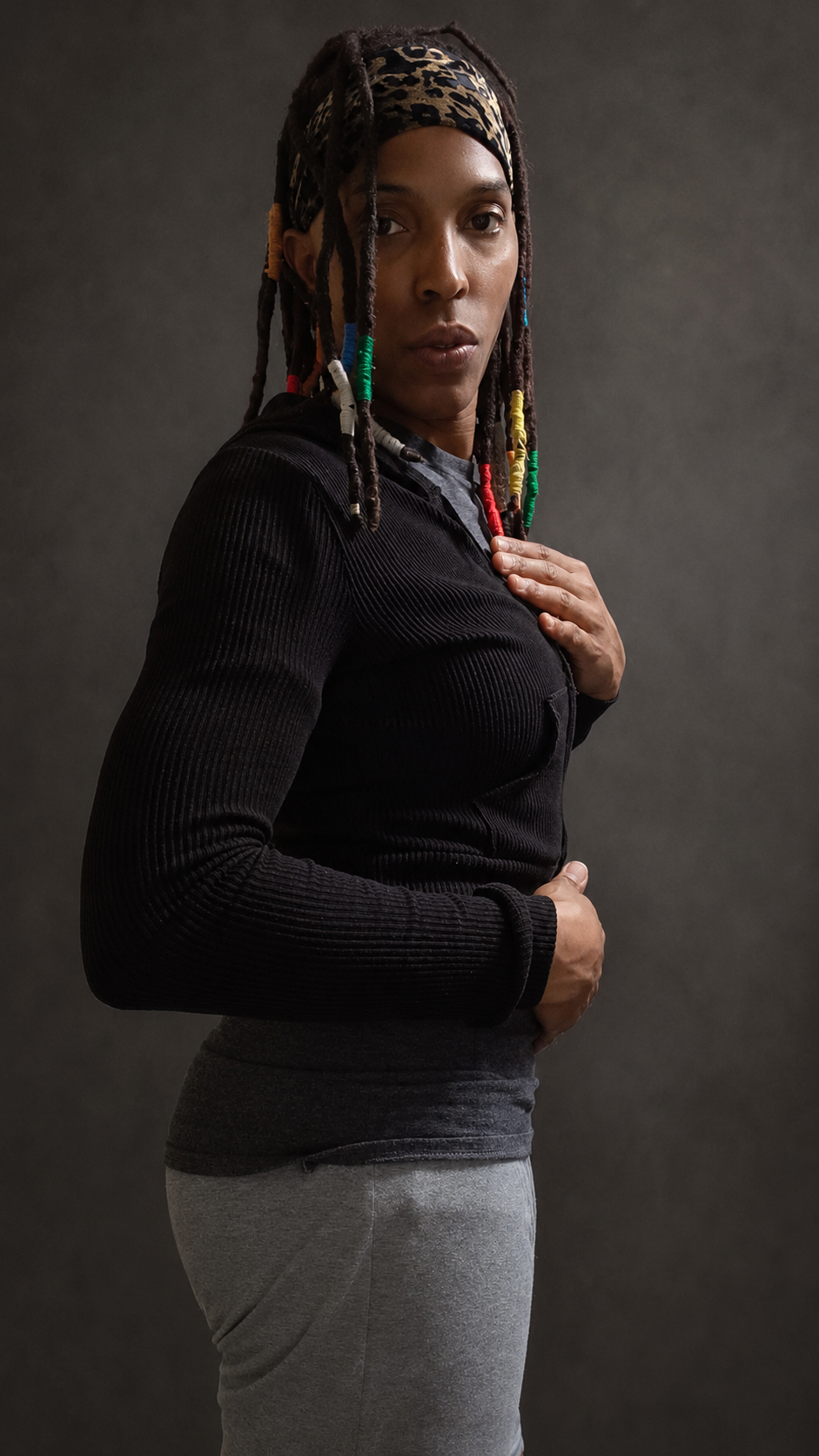
At The Queer Route, our platform is dedicated to mapping spatial safety, preserving queer history, and curating verified third places where our community can exist without fear or compromise. Yet spatial sanctuary is not defined solely by open-air gayborhoods, certified coffee shops, or progressive municipal centers. True community sanctuary is also built in environments where safety is actively denied. In this exclusive conversation, founder and CEO Keith Givens sits down with Varia, the pioneering founder of BTC (Be The Change)—the first openly recognized LGBTQIA+ community founded inside the Tennessee prison system. Below, Varia discusses breaking through institutional resistance, creating weekly safe spaces for trans women of color behind bars, combating outside isolation, and building sustainable solidarity.
1. The Spark & The Breakthrough: Organizing Where It Was Deemed Impossible
Keith Givens: In 2014, you broke unprecedented ground by founding BTC as the first openly recognized LGBTQIA+ community inside the Tennessee prison system. When you first decided to organize, what was the biggest barrier you had to break through, and how did you convince the administration to grant official recognition?
Varia: When I founded BTC—Be The Change—in 2014, one of the biggest barriers was getting people to understand that LGBTQIA+ individuals inside prison deserved the same dignity, respect, and opportunity for community as anyone else. There were challenges surrounding stigma, trust, safety, and the idea that incarcerated people could organize for something positive and meaningful.
I knew that if I wanted the administration to take BTC seriously, I had to show them that this was about more than bringing people together. It was about creating accountability, encouraging personal growth, promoting safety, and giving people an opportunity to become better versions of themselves.
I had to be willing to speak up, remain consistent, and demonstrate through our actions that we were serious about making a difference. Recognition was important because it meant creating an opportunity for our community to be seen rather than ignored. BTC was built on the belief that we should not have to lose our identity, our dignity, or our humanity because we are incarcerated. I wanted to create something that could outlive me—something that would show others that even behind prison walls, we can organize, lead, support one another, and be the change we want to see.
2. Redefining Safe Spaces Behind Walls
Keith: At The Queer Route, our entire mission centers around finding and creating safe, affirming spaces. Inside a state correctional facility, where safety is often nonexistent for trans women of color, what does “safe space” look like in practice during your Tuesday meetings?
Varia: For me, a safe space is a place where you can walk into a room and not feel like you have to defend who you are. It is a place where you can be heard, respected, and treated as a human being without being judged for your gender identity, sexual orientation, or personal circumstances.
During our Tuesday meetings, we work to create an environment where members can speak openly, learn from one another, discuss challenges, and receive encouragement. We emphasize respect, confidentiality within appropriate limits, accountability, and looking out for one another. But safety is more than what happens during a meeting. It is about helping people recognize unsafe situations, communicate concerns, establish healthy boundaries, and understand that they deserve to be treated with dignity.
For transgender women of color and other LGBTQIA+ people who may feel especially vulnerable, having a community that recognizes their humanity can make a tremendous difference. We cannot pretend that a meeting eliminates every danger inside prison. What we can do is build a culture where people are not made to feel invisible or alone. BTC gives our members a place to find their voices, develop their confidence, and understand that their lives still have value. We may be behind walls, but our identities, dreams, and humanity do not disappear behind those walls.
3. Concrete Impact & Lifeline Programs
Keith: BTC runs an incredible array of programming—from the Lifers Club and one-on-one counseling to relationship classes and safety teams. What stands out to you as proof of why this community is essential?
Varia: What stands out to me most is the transformation that can happen when someone begins to believe in themselves again. Sometimes people come into our community carrying years of rejection, disappointment, trauma, or the belief that their future has already been decided for them.
Through BTC, we work to show our members that their circumstances do not have to define the people they become. Our Lifers Club creates opportunities for people serving long sentences to talk about purpose, personal growth, and how they can continue making a difference. Our relationship classes encourage healthier communication and boundaries, while our safety initiatives reinforce the importance of looking out for one another and making responsible choices.
One of the most meaningful things is seeing people begin to take responsibility for their actions, support their peers, and recognize that they still have something positive to contribute. That is the impact I want BTC to have. We are working to build leadership, accountability, confidence, and a sense of belonging. When someone who once felt forgotten begins encouraging another person, standing up for their community, or choosing to handle a difficult situation differently, that matters. We cannot change every circumstance surrounding our members, but we can help create opportunities for change within them.
4. The Outside Disconnect: Challenging Southern Isolation
Keith: Your recent article carries the powerful headline, “Prisons Crush Almost All LGBTQ+ Organizing. Our Community Survives.” What is the biggest misconception the broader queer community on the outside has about incarcerated LGBTQ+ siblings, especially in the South?
Varia: One of the biggest misconceptions is that when LGBTQIA+ people become incarcerated, they stop being part of the community or somehow become less deserving of support, dignity, and advocacy. We are still LGBTQIA+ people. We still have identities, dreams, talents, experiences, and the desire to live meaningful lives. Being incarcerated does not erase our humanity, and it should not erase our place in the broader queer community.
In the South, stigma and isolation can make it especially difficult for incarcerated LGBTQIA+ people to have their voices heard. People on the outside may assume that organizing is impossible behind prison walls, or they may believe that incarcerated people have nothing positive to contribute. BTC challenges those assumptions by demonstrating that community, leadership, education, and personal growth can exist even in a restrictive environment.
Supporting incarcerated people does not mean excusing every mistake they have made. We can believe in accountability while also believing in human dignity, rehabilitation, and the possibility of change. Our incarcerated siblings should not disappear from the conversation simply because they are behind walls. We need solidarity that reaches beyond social media posts and pride celebrations. We need people who are willing to listen to our experiences, amplify our voices, challenge harmful assumptions, and help ensure that LGBTQIA+ people inside are not forgotten.
5. Tangible Support & Outside Solidarity
Keith: For people reading this on The Queer Route who want to stand in real solidarity with BTC, what are the most immediate, impactful ways they can support your leadership and your members today?
Varia: The first thing I would ask is that people listen to us, learn about our work, and recognize that incarcerated LGBTQIA+ people deserve a voice in the conversations that affect our lives. Visibility matters: when you share BTC’s mission and story, you help challenge the misconception that meaningful LGBTQIA+ organizing cannot happen inside a correctional facility.
State Ambassadors & Volunteers: We need volunteers and ambassadors who believe in our mission and are willing to represent BTC in their states, help distribute approved educational materials, build relationships with community organizations, and connect us with people who can support our programs.
Organizational Collaborations: We welcome opportunities to collaborate with LGBTQIA+ organizations, educators, advocates, writers, and community leaders who can help us expand our reach and strengthen our programming as we work through obtaining our 501(c)(3) status.
Policy Advocacy: Advocate for policies and practices that protect incarcerated LGBTQIA+ individuals from discrimination, harassment, and violence, while promoting education, rehabilitation, and meaningful opportunities for personal development.
Most importantly, BTC is not asking the outside world to speak over us. We want opportunities to speak for ourselves, participate in decisions affecting our community, and build partnerships that respect our leadership. Our incarceration may restrict our movement, but it does not erase our ability to lead, inspire, and make a difference.
A Closing Word from Varia
“I want people to remember that incarceration does not erase a person's humanity, identity, or potential. I founded BTC — Be The Change — because I believe that change is possible even in places where hope can be difficult to find.
We are building community, encouraging accountability, creating opportunities for leadership, and reminding LGBTQIA+ people behind prison walls that they are not forgotten. My hope is that BTC will continue opening doors, creating connections, and inspiring others to recognize that meaningful change can begin anywhere.
You do not have to wait until you are free to start making a difference. Sometimes, the most powerful change begins right where you are.
That is what Be The Change means to me.”
To learn more about verified safe spaces, spatial advocacy, and intentional queer community building nationwide, visit queerroute.app.
Download The Queer Route.
Real-time, community-verified safe spaces — built by us, for us. Now live in Austin & beyond.
Keep reading
Finding the Vibe: Is Luxx Quietly Becoming 4th Street’s Hidden Black Queer Gem?
Keith Givens reflects on a Saturday night at Luxx in Austin, where contemporary R&B, Black and brown queer community, and a welcoming room sparked a question about 4th Street’s nightlife.
Neighborhoods & Queer CultureThe Texas Triangle: How Dallas, Austin, and Houston Built Three Completely Different Queer Worlds
Dallas vs Austin vs Houston gay nightlife: how Oak Lawn's strip, Austin's independent rooms, and Houston's unzoned sprawl and hospitality collectives shaped three queer scenes.
Outdoor Travel & SafetyGay Camping & Retreats: The Ultimate Guide to Unplugging, Community, and Safe Ground
A guide to gay camping and queer retreats: festival gatherings like Frolic, LGBTQ+ campgrounds, sober eco-retreats, first-timer tips, and rural travel safety.
Neighborhoods & Queer CultureThe Crossroads Playbook: How Oak Lawn Built a Daylight Sanctuary That Defied Texas Politics
Explore Cedar Springs and Dallas’s Oak Lawn gayborhood: Hunky’s daytime community roots, iconic gay bars, and an intentional walking route through The Crossroads.
Queer Culture & Spatial SafetyThe Sanctuary of the Mask: Why Halloween Is Gay Christmas (and How to Navigate the Nation's Biggest Street Parties Safely)
Why Halloween is Gay Christmas: the history of queer costume as survival, plus safety logistics for the Oak Lawn block party, Haunted Halsted, Fantasy Fest, and the WeHo Carnaval.
Queer Culture & Spatial SafetyTwo Continents, One Towel: The Reality, Etiquette, and Safety of Gay Bathhouses in the U.S. vs. Abroad
What happens in a gay bathhouse? A practical guide to bathhouse etiquette, safety, consent, and the cultural differences between U.S. clubs and European saunas.
City SpotlightsOnly in Portland: 3 Queer Experiences You Won't Find Anywhere Else in the Country
Trans-centered bathhouses, a deep ecosystem of sober queer third places, and sex-positive community wellness — three Portland experiences you can't get anywhere else in the U.S.
Queer Culture & Spatial SafetyBeyond the Stereotypes: How Tech, Consent, and Culture Redefined Gay Cruising
Cruising is one of the most resilient practices in gay culture and one of the most stigmatized. A look at how map-based apps, consent, and community norms reshaped it.
CruisesGay Cruises: The Ultimate First-Timer's Guide to Sailing Proud
A first-timer's guide to gay cruises: Atlantis vs. VACAYA, full-ship charters vs. group sailings, theme parties, solo travel, and the safety rules that matter at sea and in port.
Atlanta PrideThe Ultimate Atlanta Pride Guide: History, Local Culture, and Safe Routing
Atlanta Pride guide for LGBTQ+ travelers: why Pride happens in October, where to go in Midtown and EAV, how to use MARTA, and safety routing around Piedmont Park.
Global Safety & Economic PowerLegal on Paper, Targeted in Reality: From Istanbul to the U.S., Safe Spaces Are Under Siege
Turkey's 1 AM raids on gay bars and the escalating attacks on queer spaces in the U.S. share one message: legality is not safety. Why verified safe spaces — and the $3.9 trillion Pink Dollar — are our strongest defense.
International travelThe Queer Route Is the Safe Haven for Queer Travelers
LGBTQ+ travel safety in the Bahamas, Jamaica, and South Africa: the laws, the risks, the underground queer joy, and how community-verified safe spaces give Black and brown travelers a route to sanctuary abroad.
Safety5 Ways to Detect Danger at a Gay Bar or Club
LGBTQ+ nightlife safety guide: 5 ways to spot danger early at a gay bar or club, defuse tension, leave safely, and use the Follow Me tool to confirm your friends get home.
CommunityWhat Does a Real Gay Ecosystem Look Like?
The Pink Dollar is worth trillions, but most gay travel sites just harvest affiliate commissions. Here's what a real queer economic ecosystem looks like — and how QR Certified venues keep our money circulating in our own community.
Budget travelBreaking the Poverty Mindset: Why Every Queer Person Deserves a Reset (Even on a Budget)
Budget LGBTQ+ travel guide: 5 ways to beat the poverty mindset, plan cheap queer micro-getaways, find free safe spaces, and build a reset fund — rest isn't a luxury for the top tax bracket.
CommunityWhat We Have Become
Media that trades in fear and stereotype has real consequences on the streets we walk. On Run, Hide, Fight: Infidels, harmful tropes, and why intersectional safety means standing with Muslim, Black, and brown communities.
CommunityIf It Ain't Broke...
Historic LGBTQ+ bars are changing hands across the country. When new ownership reinvents the wheel, the regulars pay for it. On modernizing legacy queer spaces without erasing the community that built them.
City SpotlightBeyond History: How San Francisco's Transgender District is Redefining Queer Space & Economic Power
Explore the untold story of San Francisco's Transgender District — from dropping Gene Compton's name to building trans economic power and business ownership in the Tenderloin.
CommunityWill They Ever Learn?
Texas painted over Austin's rainbow Pride crosswalk. Paint fades — we don't. On political erasure, the $4.7 trillion Pink Dollar, and why we built our own map.
TravelTop Three U.S Cities Queer Families Should Visit
Queer parents deserve family destinations where their family structure is respected, visible, and celebrated. Here are three U.S. cities that deliver inclusive communities and standout attractions.
CommunityWhy Do Some Cities Have Black Pride and National Pride?
Black Pride was never about dividing us — it was a declaration that we are here, too. A look at how Pride Season came to be, and why tailored celebrations still matter.
Vendor SpotlightVendor Spotlight: Whip My Soul
A Black-owned soul food restaurant in Austin that treats hospitality like a craft. Here's why Whip My Soul belongs at the top of your list — and exactly what to order.
CompanyWhy We Built The Queer Route: The Founder's Story
I built the app I needed — from a 9-to-5 and a paycheck. Keith Givens on why the LGBTQ+ community needed its own navigation platform.
Travel GuidesHow to Find LGBTQ+ Safe Spaces When Traveling in 2026
Beyond the rainbow flag: a real-time, community-verified guide to finding truly safe spaces on the road in 2026.
Safety6 Green Flags That Signal a Truly LGBTQ+ Friendly Venue
A Progress Pride sticker in the window isn't enough anymore. Here are the real indicators that a bar, café, or hotel is genuinely safe, inclusive, and built for our community — and how to spot them before you step inside.
Find safe spaces in these cities
Community-verified LGBTQ+ guides to bars, nightlife, and neighborhoods.