
Beyond the Stereotypes: How Tech, Consent, and Culture Redefined Gay Cruising
Cruising is one of the most resilient practices in gay culture and one of the most stigmatized. A look at how map-based apps, consent, and community norms reshaped it.
The Search That Tells the Story
Type “gay cruising” into any search engine today, and the results immediately expose a sharp cultural divide.
Dominating the very top of the page is Sniffies—the runaway, map-based platform that has turned real-time cruising into an interactive, digital landscape. But scroll just a few inches down, and the tone abruptly pivots into cautionary legal headlines, municipal warnings, and articles debating public obscenity.
That juxtaposition captures the modern reality of cruising: it is simultaneously one of the most resilient, widely practiced aspects of gay male culture and one of the most stigmatized.
To understand cruising today, we have to strip away the sensationalism and look at what it actually is: a legacy practice adapting to modern technology, built on an unspoken social contract of consent, spatial awareness, and community protection.
The Map-Based Revolution
For generations, cruising relied on whispers, handkerchief codes, darkened corners, and discreet geographic landmarks. It was born out of sheer survival—a necessity in an era when being visible in the light of day could cost someone their livelihood or freedom.
Platforms like Sniffies didn’t invent cruising; they mapped it. By integrating live geolocation, real-time headcounts, and verified gathering points, modern tools introduced a layer of transparency and mutual screening that older generations never had. Cruisers can gauge the crowd, establish shared expectations, and navigate privacy settings before ever stepping out the door.
Technology transformed a fragmented underground network into an organized, self-moderated spatial ecosystem.
The Social Contract: Boundaries vs. Bad Actors
Cruising does not need to be hidden in shame, but it does require accountability.
A pervasive myth pushed by sensational headlines is that cruisers deliberately seek to disrupt everyday public spaces. In reality, the overwhelming majority of people who cruise seek out environments where the practice is widely understood, private, and secured. Whether it’s an organized private gathering, an adult venue, or an established, discreet corridor after hours, the goal is mutual adult connection away from unsolicited eyes.
The people who attempt to cruise in high-visibility public spaces—libraries, family-filled parks, or active gym locker rooms—represent a tiny minority. Yet their disregard for boundaries threatens the safety and legal status of the entire community.
When boundaries are broken, municipal crackdowns follow, law enforcement gets mobilized, and real-world violence against queer people spikes. True cruising culture has always relied on discretion and respect for the room: knowing when a space is fair game, and knowing when to keep it moving.
The Everyday Language of the Glance
Cruising is also far broader than dark parks or map pins.
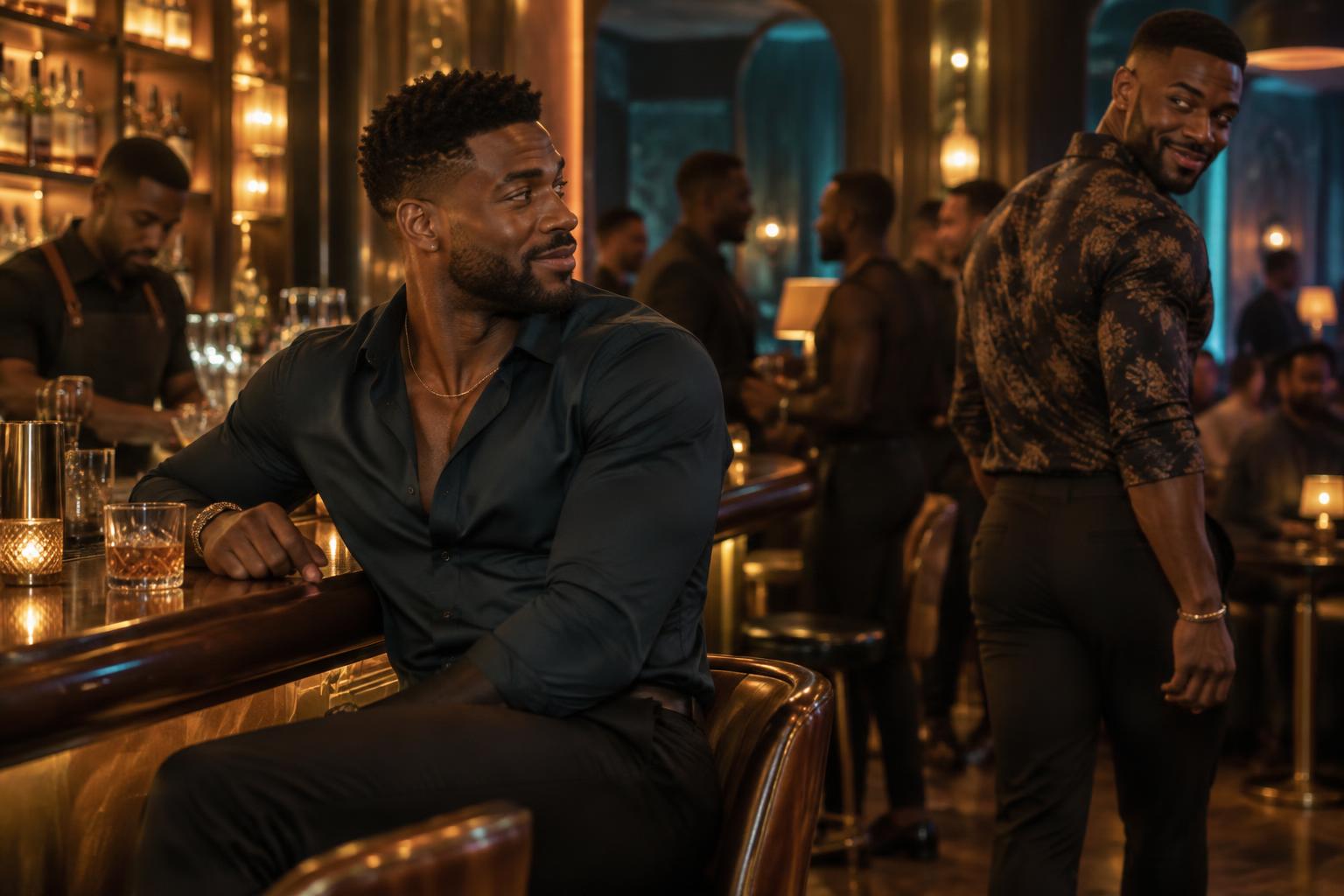
Step into any gay bar or lounge on a Saturday night, and unconscious cruising is already underway. It’s the intentional second glance across a crowded room. It’s holding eye contact for just one beat longer than normal. It’s the subtle shift in body language that signals, “I see you, and it’s okay to say hello.”
That non-verbal dialect is central to how queer people found each other long before swipe algorithms existed. It is an instinct rooted in reading a room, gauging safety, and seeking connection in spaces where we feel free to be ourselves.
Navigating With Intention
Whether digital or in person, cruising is ultimately about navigating physical space to find chosen intimacy and community.
Like every other aspect of queer life, doing it well requires intention:
- Respect the Setting: Keep adult encounters confined to private, consenting, and dedicated adult spaces. Preserving the integrity of our shared public spaces protects everyone.
- Practice Digital & Physical Discretion: When using real-time geolocation tools, be conscious of who has your location, never compromise personal identifiers prematurely, and always trust your instincts if a setting feels unvetted.
- Support Verified Infrastructure: When seeking social connection, prioritize verified queer venues and community hubs where safety, dignity, and belonging are actively protected.
Cruising Culture FAQ
What is gay cruising?
Cruising is the long-standing practice of queer men seeking connection — eye contact, conversation, or more — in spaces where it is mutually understood. It began as a survival strategy in an era when being visibly gay could cost someone their livelihood or freedom, and it has since evolved into a modern culture shaped by apps, consent, and community norms.
How has technology changed gay cruising?
Platforms like Sniffies didn’t invent cruising — they mapped it. Live geolocation, real-time headcounts, verified gathering points, and privacy settings added a layer of transparency and mutual screening that earlier generations never had, turning a fragmented underground network into an organized, self-moderated ecosystem.
What are the basic rules of cruising etiquette?
Keep adult encounters confined to private, consenting, and dedicated adult spaces. Be discreet with your location and personal identifiers when using real-time tools, trust your instincts in unvetted settings, and prioritize verified queer venues where safety, dignity, and belonging are actively protected.
Cruising is a living thread of queer history. When practiced with mutual respect, clear boundaries, and spatial awareness, it remains an enduring testament to our desire to find one another—openly, safely, and on our own terms.
Download The Queer Route.
Real-time, community-verified safe spaces — built by us, for us. Now live in Austin & beyond.
Keep reading
Finding the Vibe: Is Luxx Quietly Becoming 4th Street’s Hidden Black Queer Gem?
Keith Givens reflects on a Saturday night at Luxx in Austin, where contemporary R&B, Black and brown queer community, and a welcoming room sparked a question about 4th Street’s nightlife.
Neighborhoods & Queer CultureThe Texas Triangle: How Dallas, Austin, and Houston Built Three Completely Different Queer Worlds
Dallas vs Austin vs Houston gay nightlife: how Oak Lawn's strip, Austin's independent rooms, and Houston's unzoned sprawl and hospitality collectives shaped three queer scenes.
Outdoor Travel & SafetyGay Camping & Retreats: The Ultimate Guide to Unplugging, Community, and Safe Ground
A guide to gay camping and queer retreats: festival gatherings like Frolic, LGBTQ+ campgrounds, sober eco-retreats, first-timer tips, and rural travel safety.
Neighborhoods & Queer CultureThe Crossroads Playbook: How Oak Lawn Built a Daylight Sanctuary That Defied Texas Politics
Explore Cedar Springs and Dallas’s Oak Lawn gayborhood: Hunky’s daytime community roots, iconic gay bars, and an intentional walking route through The Crossroads.
Community SpotlightBeyond the Perimeter: Inside BTC, the Groundbreaking LGBTQ+ Sanctuary Thriving Behind Tennessee Prison Walls
Keith Givens interviews BTC founder Varia about LGBTQIA+ community behind Tennessee prison walls, safe spaces, leadership, and meaningful outside solidarity.
Queer Culture & Spatial SafetyThe Sanctuary of the Mask: Why Halloween Is Gay Christmas (and How to Navigate the Nation's Biggest Street Parties Safely)
Why Halloween is Gay Christmas: the history of queer costume as survival, plus safety logistics for the Oak Lawn block party, Haunted Halsted, Fantasy Fest, and the WeHo Carnaval.
Queer Culture & Spatial SafetyTwo Continents, One Towel: The Reality, Etiquette, and Safety of Gay Bathhouses in the U.S. vs. Abroad
What happens in a gay bathhouse? A practical guide to bathhouse etiquette, safety, consent, and the cultural differences between U.S. clubs and European saunas.
City SpotlightsOnly in Portland: 3 Queer Experiences You Won't Find Anywhere Else in the Country
Trans-centered bathhouses, a deep ecosystem of sober queer third places, and sex-positive community wellness — three Portland experiences you can't get anywhere else in the U.S.
CruisesGay Cruises: The Ultimate First-Timer's Guide to Sailing Proud
A first-timer's guide to gay cruises: Atlantis vs. VACAYA, full-ship charters vs. group sailings, theme parties, solo travel, and the safety rules that matter at sea and in port.
Atlanta PrideThe Ultimate Atlanta Pride Guide: History, Local Culture, and Safe Routing
Atlanta Pride guide for LGBTQ+ travelers: why Pride happens in October, where to go in Midtown and EAV, how to use MARTA, and safety routing around Piedmont Park.
Global Safety & Economic PowerLegal on Paper, Targeted in Reality: From Istanbul to the U.S., Safe Spaces Are Under Siege
Turkey's 1 AM raids on gay bars and the escalating attacks on queer spaces in the U.S. share one message: legality is not safety. Why verified safe spaces — and the $3.9 trillion Pink Dollar — are our strongest defense.
International travelThe Queer Route Is the Safe Haven for Queer Travelers
LGBTQ+ travel safety in the Bahamas, Jamaica, and South Africa: the laws, the risks, the underground queer joy, and how community-verified safe spaces give Black and brown travelers a route to sanctuary abroad.
Safety5 Ways to Detect Danger at a Gay Bar or Club
LGBTQ+ nightlife safety guide: 5 ways to spot danger early at a gay bar or club, defuse tension, leave safely, and use the Follow Me tool to confirm your friends get home.
CommunityWhat Does a Real Gay Ecosystem Look Like?
The Pink Dollar is worth trillions, but most gay travel sites just harvest affiliate commissions. Here's what a real queer economic ecosystem looks like — and how QR Certified venues keep our money circulating in our own community.
Budget travelBreaking the Poverty Mindset: Why Every Queer Person Deserves a Reset (Even on a Budget)
Budget LGBTQ+ travel guide: 5 ways to beat the poverty mindset, plan cheap queer micro-getaways, find free safe spaces, and build a reset fund — rest isn't a luxury for the top tax bracket.
CommunityWhat We Have Become
Media that trades in fear and stereotype has real consequences on the streets we walk. On Run, Hide, Fight: Infidels, harmful tropes, and why intersectional safety means standing with Muslim, Black, and brown communities.
CommunityIf It Ain't Broke...
Historic LGBTQ+ bars are changing hands across the country. When new ownership reinvents the wheel, the regulars pay for it. On modernizing legacy queer spaces without erasing the community that built them.
City SpotlightBeyond History: How San Francisco's Transgender District is Redefining Queer Space & Economic Power
Explore the untold story of San Francisco's Transgender District — from dropping Gene Compton's name to building trans economic power and business ownership in the Tenderloin.
CommunityWill They Ever Learn?
Texas painted over Austin's rainbow Pride crosswalk. Paint fades — we don't. On political erasure, the $4.7 trillion Pink Dollar, and why we built our own map.
TravelTop Three U.S Cities Queer Families Should Visit
Queer parents deserve family destinations where their family structure is respected, visible, and celebrated. Here are three U.S. cities that deliver inclusive communities and standout attractions.
CommunityWhy Do Some Cities Have Black Pride and National Pride?
Black Pride was never about dividing us — it was a declaration that we are here, too. A look at how Pride Season came to be, and why tailored celebrations still matter.
Vendor SpotlightVendor Spotlight: Whip My Soul
A Black-owned soul food restaurant in Austin that treats hospitality like a craft. Here's why Whip My Soul belongs at the top of your list — and exactly what to order.
CompanyWhy We Built The Queer Route: The Founder's Story
I built the app I needed — from a 9-to-5 and a paycheck. Keith Givens on why the LGBTQ+ community needed its own navigation platform.
Travel GuidesHow to Find LGBTQ+ Safe Spaces When Traveling in 2026
Beyond the rainbow flag: a real-time, community-verified guide to finding truly safe spaces on the road in 2026.
Safety6 Green Flags That Signal a Truly LGBTQ+ Friendly Venue
A Progress Pride sticker in the window isn't enough anymore. Here are the real indicators that a bar, café, or hotel is genuinely safe, inclusive, and built for our community — and how to spot them before you step inside.
Find safe spaces in these cities
Community-verified LGBTQ+ guides to bars, nightlife, and neighborhoods.